Are you struggling to keep your eCommerce warehouse organized while managing multiple online stores? Many sellers face challenges maintaining accurate stock, fulfilling orders on time, and avoiding costly mistakes.
Common inventory problems include:
- Running out of stock during peak sales, leading to lost revenue and frustrated customers
- Overstocking items, which tie up cash and storage space
- Manual tracking errors that cause wrong shipments
- Difficulty managing inventory across multiple sales channels
- Planning challenges during high-demand periods, like flash sales or holiday campaigns
In this article, we’ll share 15 practical tips to manage inventory effectively in your eCommerce warehouse, helping you prevent stockouts, reduce errors, and streamline your operations — including how SiteGiant’s inventory management system (IMS) can support these best practices and simplify warehouse operations.
What Is Inventory Management in an eCommerce Warehouse?

Inventory management in an eCommerce warehouse refers to the systematic process of tracking, organizing, and controlling stock to ensure products are available when needed, stored efficiently, and fulfilled accurately. It encompasses the entire lifecycle of inventory, including receiving, storing, tracking, and shipping products to customers.
Effective inventory management enables eCommerce warehouses to:
- Know exact stock levels at any given time, reducing the risk of overselling or stockouts.
- Organize products efficiently, ensuring items are stored logically and can be located quickly.
- Simplify multi-channel operations, keeping inventory consistent across multiple online marketplaces.
- Streamline warehouse processes, minimizing errors in picking, packing, and shipping.
In short, inventory management forms the backbone of a well-functioning eCommerce warehouse, directly impacting operational efficiency and business growth.
Why Effective Inventory Management Matters in eCommerce

While understanding inventory management is important, knowing why it matters is crucial for eCommerce success. Poor inventory practices can lead to lost sales, wasted resources, and frustrated customers, whereas effective management ensures smooth operations and business scalability.
Key reasons why inventory management is critical in eCommerce include:
- Prevent Stockouts and Lost Sales – Accurate inventory tracking ensures products are available when customers place orders, reducing missed revenue opportunities.
- Reduce Overstocking and Storage Costs – By maintaining optimal stock levels, warehouses avoid tying up capital and occupying unnecessary space.
- Improve Order Fulfillment Speed – Organized and well-tracked inventory enables faster picking, packing, and shipping, enhancing delivery efficiency.
- Enhance Customer Satisfaction – Accurate orders, timely delivery, and product availability build trust and loyalty.
- Support Business Growth – Efficient inventory systems provide the data and control needed to scale operations and expand into new channels or markets.
- Minimize Operational Errors – Structured inventory processes reduce mistakes in picking, shipping, and stock management, saving time and costs.
By understanding both what inventory management entails and why it is essential, eCommerce businesses can develop strategies to optimize their warehouses, minimize risks, and maintain consistent performance even during peak sales periods.
Common Inventory Management Challenges in eCommerce Warehouses

Running an eCommerce warehouse comes with operational hurdles that can affect efficiency, accuracy, and customer satisfaction. Some of the most common challenges include:
- Inaccurate Stock Counts – Manual tracking errors or misplaced items can cause stock discrepancies, leading to overselling or stockouts.
- Stockouts and Overselling – Poor tracking across multiple channels can result in lost sales, unhappy customers, and order cancellations.
- Poor Warehouse Organization – Disorganized storage and unmarked racks slow down picking and packing, increasing the risk of errors.
- Inefficient Inventory Storage and Rack Management – Improper rack labeling or inefficient storage layouts reduce picking efficiency and cause misplaced stock.
- Product Expiry and Aging Stock – Perishable or time-sensitive products can expire or become obsolete without proper monitoring, leading to waste and losses.
- Missing or Damaged Inventory – Loss, theft, or damage during handling can go unnoticed, affecting stock accuracy and profitability.
- Difficulty Tracking Inventory Flow – Limited visibility over inventory movement from receiving to shipping increases errors and operational inefficiencies.
15 Tips for Effective Inventory Management in eCommerce Warehouses

Implementing structured inventory management practices helps eCommerce warehouses improve efficiency, reduce errors, and prevent stock-related issues.
Here are 15 practical tips to manage inventory effectively in your eCommerce warehouse:
1. Track Inventory in Real Time
Continuously monitor stock levels to ensure records match actual inventory. Real-time tracking helps prevent overselling and allows timely replenishment.
2. Organize Your Warehouse Efficiently
Arrange products logically, label zones clearly, and store items systematically. Efficient organization speeds up picking and packing while reducing errors.
3. Implement SKU and Barcode Systems
Assign unique SKUs and barcodes to products for easy identification. This simplifies tracking, stock updates, and error prevention during warehouse operations.
4. Monitor Low Stock and Sold-Out Items
Keep an eye on items nearing minimum stock levels or sold-out products. Early alerts help prevent stockouts and missed sales opportunities.
5. Forecast Demand Accurately
Analyze historical sales trends to predict future demand. Accurate forecasting ensures sufficient stock without overstocking, especially during peak seasons.
6. Standardize Stock In and Stock Out Processes
Maintain consistent procedures for receiving and dispatching items. Standardization reduces errors, improves efficiency, and simplifies staff training.
7. Regularly Perform Stock Counts
Conduct cycle counts or full inventory audits periodically to verify stock levels. This ensures accuracy and helps identify discrepancies early.
8. Separate Reserved and Available Stock
Distinguish between stock held for pending orders, promotions, or campaigns and the stock available for sale. This prevents overselling and confusion.
9. Manage Bundled or Kit Products Carefully
Track each component of bundled items to maintain accurate stock levels. Proper management avoids discrepancies when bundles are sold.
10. Use Bulk Updates for Large Changes
Apply batch updates when adjusting multiple SKUs, prices, or quantities. Bulk processing saves time and ensures consistency across your inventory.
11. Monitor Picking and Packing Efficiency
Track staff performance and workflow efficiency in picking and packing processes. Identify bottlenecks and optimize operations for faster order fulfillment.
12. Optimize Warehouse Layout
Design your warehouse layout to minimize travel distance, improve picking routes, and enhance overall efficiency. Strategic placement of high-demand items reduces handling time.
13. Create Purchase Orders in Advance
Plan procurement ahead of time based on inventory forecasts. Timely purchase orders help maintain optimal stock levels and prevent shortages.
14. Maintain Clear Documentation
Keep accurate records of all stock movements, adjustments, and transactions. Proper documentation supports transparency, audits, and better decision-making.
15. Apply FIFO to Avoid Product Expiry
Follow First In, First Out (FIFO) principles, so older stock is sold before newer arrivals. This minimizes waste, prevents expired products, and ensures stock freshness.
Boost Warehouse Efficiency with SiteGiant Inventory Management System
Many of these best practices can be implemented more efficiently using a comprehensive inventory management system like SiteGiant. SiteGiant offers a suite of inventory management system features that help warehouses maintain accurate stock, streamline operations, and improve overall efficiency. Here’s how SiteGiant supports effective inventory management:
1. Stock Accuracy & Real-Time Tracking



Maintaining accurate stock records is essential to prevent overselling and stockouts. SiteGiant offers:
- Barcode & QR Code Labeling – Assign unique labels to each product for consistent identification throughout receiving, storage, picking, and dispatch.
- Barcode Scanning for Stock In/Out – Scan items during stock movements to automatically update inventory records, reducing manual errors.
- Inventory Location Recording via SiteGiant App – Record the exact location of stock during storage, enabling faster picking and more accurate audits.
- Low Stock and Sold-Out Alerts – Automated notifications help staff replenish items on time and prevent missed sales.
- Real-Time Inventory Synchronization – Stock levels are instantly updated across all connected sales channels whenever a sale, return, or adjustment occurs.
- Smart Stock Synchronization – It uses advanced algorithms to analyze historical sales data, accurately predict inventory demand, and intelligently allocate stock across marketplaces and your webstore.
2. Warehouse Organization & Operational Efficiency


Optimizing warehouse layout and workflows reduces errors and increases picking speed. SiteGiant helps with:
- Rack Management with Proper Labeling – Assign products to specific racks and label them clearly to streamline picking routes.
- Assigned Stock Check Tasks via PDA Devices – Assign systematic stock count tasks to staff for efficient cycle counts and accountability.
- Batch Processing Based on Product Expiry Dates – Manage perishable or time-sensitive products with batch tracking, supporting FIFO (First In, First Out) practices to reduce waste.
- Recording Returned and Damaged Inventory – Track returned or damaged items separately, ensuring accurate sellable stock data.
3. Forecasting, Reporting & Bulk Management
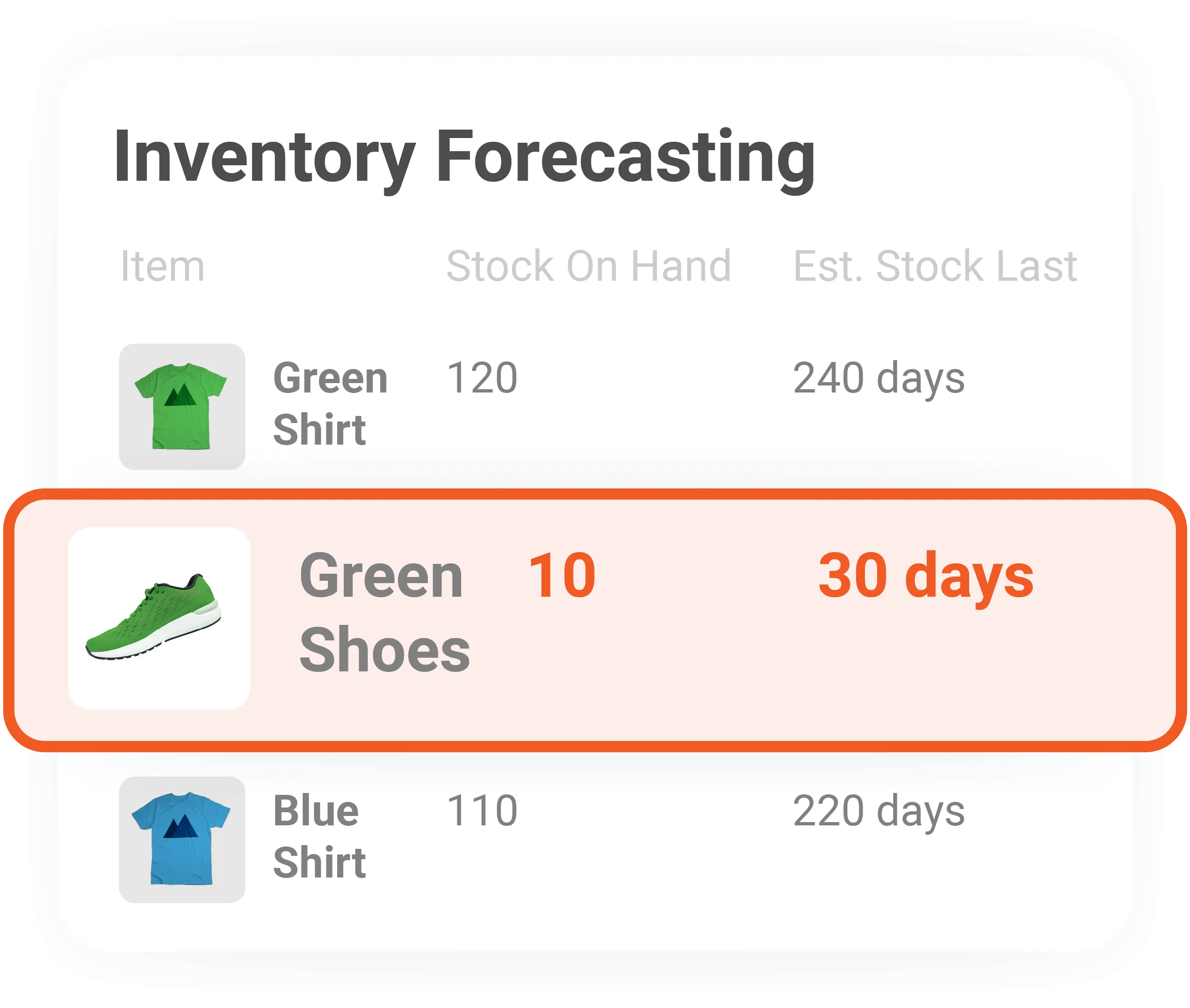


Data-driven insights allow proactive decision-making and better planning. SiteGiant provides:
- Inventory Forecasting Based on Sales Performance – Predict future stock requirements to prepare for peak seasons or promotional campaigns.
- Dead Stock Reporting – Identify slow-moving or inactive inventory to plan clearance, reallocation, or purchasing strategies.
- Reserved Stock Tracking – Reserved a certain amount of stocks to cover any oversell product that may happen during the big sales campaign.
- Bulk Inventory Linking and Updates – Easily update large numbers of SKUs, prices, and product details across multiple marketplaces to save time and maintain consistency.
By implementing these tools, eCommerce warehouses can increase operational efficiency, reduce errors, and maintain accurate inventory across multiple channels and locations, ensuring smooth order fulfillment and improved business performance.
Frequently Asked Questions (FAQ)
How do I choose the best inventory management system?
Consider your business size, sales channels, product volume, and operations. Key features include real-time updates, multi-warehouse support, bulk management, and forecasting. Systems like SiteGiant offer these features, helping eCommerce warehouses manage inventory efficiently.
How can I prevent overselling and stockouts?
Automatic stock updates, low stock alerts, and reserved stock tracking ensure accurate inventory and reliable order fulfillment across all channels.
How can I integrate multiple sales channels?
Use a system that supports channel linking and real-time synchronization. This keeps inventory consistent across all marketplaces and prevents overselling. Tools like SiteGiant can automatically update stock across channels, simplifying multi-platform operations.
How can inventory forecasting help during peak seasons?
Forecasting predicts future demand based on past sales, helping plan stock, avoid shortages, and prevent overstocking during high-demand periods.
How do I track inventory across multiple warehouses?
Track stock separately in each warehouse, assign default locations, and use consolidated reporting to maintain visibility and streamline transfers.
Conclusion
Effective inventory management is crucial for eCommerce warehouses to prevent stockouts, reduce errors, optimize picking efficiency, and ensure timely order fulfillment. Proper inventory practices directly impact operational efficiency, customer satisfaction, and business growth.
SiteGiant provides a comprehensive inventory management system that supports real-time stock updates, multi-channel synchronization, bundle and kit tracking, warehouse organization, and forecasting. By centralizing inventory operations, it helps eCommerce sellers maintain accurate stock, streamline workflows, and manage multiple warehouses efficiently.
Take control of your inventory today — explore SiteGiant’s inventory management system to streamline operations, prevent overselling, and plan stock confidently.