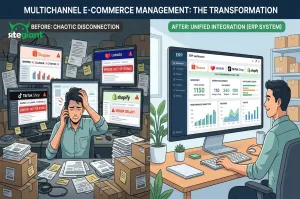
Have you ever experienced a situation where you sold a product online, only to realise it was actually out of stock?
This is a common challenge in eCommerce operations, especially for sellers managing multiple sales channels like Shopee, Lazada, TikTok Shop without a proper system in place.
Without effective inventory management, businesses often face:
- Overselling due to delayed stock updates
- Inventory mismatches across sales channels
- Order cancellations after purchase
- Manual tracking errors
- Stock shortages during peak sales campaigns
To avoid these issues, sellers need a centralised system that ensures accurate, real-time inventory control across all channels. This is essential for preventing overselling and improving overall stock accuracy in multi-channel eCommerce operations.
What Is Overselling in eCommerce?

Overselling in eCommerce happens when a seller accepts more orders than the actual available stock. This usually occurs when inventory is not updated in real time across multiple sales channels like Shopee, Lazada, TikTok Shop.
As a result, customers may purchase items that are no longer available, leading to:
- Order cancellations after payment
- Refunds or delayed fulfilment
- Inventory mismatches across platforms
- Negative customer experience
Overselling is especially common for sellers managing multiple channels without a centralised inventory system, making accurate stock control essential for smooth operations.
Causes of Overselling in eCommerce

Overselling often happens due to gaps in inventory control, especially when managing multiple sales channels without a proper system in place.
Common causes include:
- Manual inventory updates – Updating stock manually can lead to delays and human errors, especially during high order volume
- Multiple sales channels without synchronization – Selling on platforms like Shopee, Lazada, and TikTok Shop without synced inventory can cause stock mismatches
- Delayed stock deduction – Inventory is not updated immediately after a purchase, allowing more orders than available stock
- Poor system integration – Disconnected systems between sales channels and inventory tools lead to inaccurate stock data
- Inaccurate stock tracking – Lack of real-time visibility makes it difficult to monitor actual stock levels
- Sudden spikes in demand – Promotions or campaigns like double digit sales can quickly deplete stock if not properly managed
Understanding these causes is the first step toward improving inventory accuracy and preventing overselling.
Impact of Overselling in eCommerce
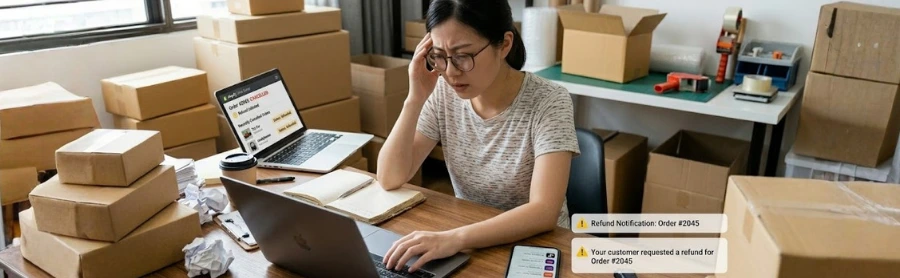
Overselling does not only affect stock accuracy, it directly impacts business performance and customer trust.
- Order cancellations and refunds: Businesses must cancel orders or issue refunds, increasing operational costs
- Negative customer experience: Customers feel frustrated when their orders cannot be fulfilled
- Damage to brand reputation: Repeated overselling reduces trust in the brand
- Lower marketplace performance: High cancellation rates can affect seller ratings and visibility on platforms
- Increased operational workload: Teams spend more time handling complaints, refunds, and stock corrections
- Loss of repeat customers: Poor fulfillment experiences reduce customer loyalty and future purchases
8 Ways to Prevent Overselling in eCommerce

Preventing overselling in eCommerce requires strong inventory management, accurate stock synchronization, and the use of a reliable centralized inventory system. Below are 8 proven strategies to help improve stock accuracy and avoid overselling across multiple sales channels.
1. Sync Inventory Across All Sales Channels
One of the most effective ways to prevent overselling is ensuring multi-channel inventory management is fully synchronized.
Update stock consistently across platforms like Shopee, Lazada, TikTok Shop, and webstores to maintain accurate stock levels across channels and avoid mismatches.
2. Use a Centralized Inventory Management System
A centralized inventory system helps sellers manage all products from a single platform. This improves inventory accuracy, reduces manual errors, and supports better eCommerce stock control across multiple sales channels.
3. Enable Buffer Stock (Safety Stock)
Setting buffer stock helps reserve a portion of inventory to prevent overselling during unexpected demand spikes.
This is especially important for maintaining stock stability in eCommerce operations during peak sales periods.
This is especially important for maintaining stock stability in eCommerce operations during peak sales periods.
4. Automate Stock Updates
Automating inventory updates ensures real-time stock synchronization after every order.
This reduces human error and helps maintain accurate inventory levels across all eCommerce platforms.
5. Monitor Inventory in Real-Time
Real-time monitoring allows sellers to track inventory movements instantly.
It helps detect potential stock issues early and improves inventory visibility in eCommerce management systems.
6. Apply FIFO (First In, First Out) Inventory Method
Using FIFO helps ensure older stock is sold first, improving inventory rotation and stock accuracy.
This reduces discrepancies and supports better warehouse management.
7. Manage Bundles & Product Variants Properly
Bundle products and variants can easily cause inventory mismatches if not tracked correctly.
Proper configuration ensures accurate SKU-level stock deduction and prevents overselling in complex product structures.
Proper configuration ensures accurate SKU-level stock deduction and prevents overselling in complex product structures.
8. Set Purchase Limits for High-Demand Products
Limiting purchase quantities during high-demand periods helps control inventory depletion.
This is useful during promotional campaigns like double digit sales to prevent overselling and maintain healthy stock balance during peak traffic events.
How SiteGiant Helps You Prevent Overselling in eCommerce
Preventing overselling in eCommerce requires more than manual stock tracking. It needs a fully connected system that ensures accurate inventory updates across all sales channels in real time. SiteGiant provides a complete solution for inventory management in eCommerce, combining automation, centralised control, and forecasting tools to improve eCommerce stock management and reduce stock errors.
1. Real-Time Inventory Syncing Across All Channels
One of the biggest causes of overselling is delayed inventory updates between platforms.
With SiteGiant:
- Inventory is synced in real time after every order
- All sales channels reflect the same stock level instantly
- Stock discrepancies between marketplaces are eliminated
- Accurate eCommerce stock management is maintained across Shopee, Lazada, TikTok Shop, and webstore
This ensures customers always see correct and updated stock availability, reducing overselling risk.

2. Low Stock & Stock-Out Alerts for Better Control
Without proper monitoring, businesses often discover stock issues too late, leading to overselling or missed sales.
With automated alerts:
- Sellers are notified when stock reaches low levels
- Stock-out risks are identified early
- Immediate replenishment actions can be taken
- Supports proactive inventory management in eCommerce
This helps businesses prevent stockouts and maintain operational stability.

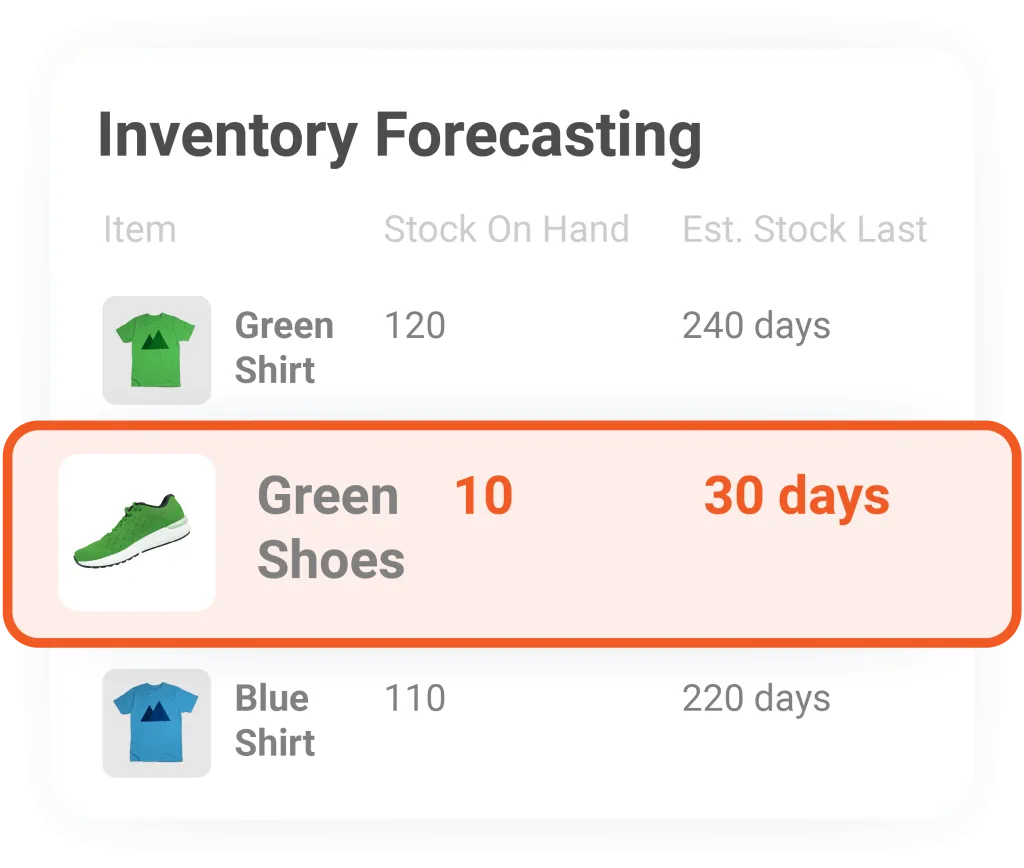
3. Inventory Forecasting for Demand Planning
Poor demand planning is a key reason for overselling and stock shortages.
SiteGiant improves forecasting by:
- Analysing historical sales data and demand trends
- Predicting future product demand more accurately
- Supporting smarter purchasing and replenishment decisions
- Reducing stockout risk during peak sales periods
This enables more proactive and data-driven inventory planning.
4. Backup Stock to Prevent Overselling
Without safety stock, even small spikes in demand can cause overselling.
With backup stock control:
- A portion of inventory is reserved as safety stock
- Prevents full depletion of available stock
- Reduces overselling during sudden order spikes
- Adds stability to inventory management in eCommerce

5. Campaign Reserve Stock for High-Demand Promotions
During double digit sales campaigns or payday sales, inventory can run out faster than expected, increasing the risk of overselling.
SiteGiant allows businesses to:
- Reserve stock specifically for campaigns
- Control how inventory is allocated during promotions
- Prevent early stock exhaustion from regular sales
- Reduce overselling risk during peak traffic events
This ensures better stock control during marketing campaigns.

6. Bundle Product Auto Deduct Inventory
Bundles are a common cause of inventory mismatch due to multiple SKU dependencies.
SiteGiant ensures:
- Bundle components are automatically deducted when sold
- Inventory is updated accurately for each linked SKU
- No manual calculation is required for bundle products
- Stock consistency is maintained across all product types
This prevents inaccurate stock levels in bundle selling.

7. Advanced Inventory Control Features for Better Accuracy
Beyond basic inventory tracking, SiteGiant provides additional control tools to strengthen inventory accuracy and prevent overselling.
These include:
- Buffer stock settings to prevent overselling
- Accurate handling of bundles and product variants
- FIFO (First In, First Out) inventory method for better stock rotation
- Purchase limits for high-demand products to control order volume
Together, these features ensure stable, efficient, and scalable inventory operations.
Frequently Asked Questions (FAQ)
Can overselling still happen even with inventory management systems?
Yes, it can still happen if the system is not fully integrated across all sales channels or if there are sync delays, API interruptions, or manual stock adjustments outside the system.
How can I prevent overselling in my online store?
You can prevent overselling by using a centralised inventory system such as SiteGiant ERP, which syncs stock automatically across all platforms and updates inventory in real time after every order.
Can flash sales increase overselling risk?
Yes. Campaigns like 11.11 sales and flash promotions can cause sudden demand spikes that exceed available stock if inventory is not reserved or synced properly.
Does overselling affect marketplace ranking or account health?
Yes. Frequent order cancellations due to overselling can negatively impact seller performance metrics, which may affect visibility, ranking, and eligibility for promotions on platforms like Shopee, Lazada, and TikTok Shop.
How do bundle products increase the risk of overselling?
Bundle products involve multiple SKUs in a single sale. Without automatic component deduction, stock levels can become inaccurate, increasing the risk of overselling during high-volume orders—something that systems like SiteGiant ERP help to manage more accurately.
Conclusion
Overselling is one of the most common challenges in eCommerce, especially for sellers managing multiple sales channels without a centralised system. It can lead to stock mismatches, cancelled orders, and poor customer experience — all of which affect business growth and brand trust.
With SiteGiant ERP, sellers can simplify inventory management through real-time stock syncing, automated updates, and intelligent control features. From preventing overselling to improving demand planning, SiteGiant helps businesses maintain accurate and efficient eCommerce operations across all platforms.
👉 Take control of your inventory with SiteGiant ERP today. Prevent overselling, improve stock accuracy, and manage all your sales channels in one system.