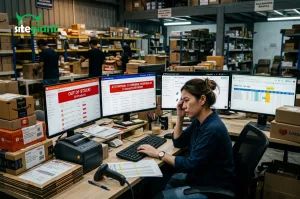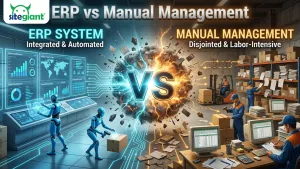
Running an eCommerce business in Singapore may seem straightforward at first, but operational costs can quickly increase as the business scales. One of the biggest challenges sellers face is understanding how to reduce ecommerce operational costs effectively while maintaining efficiency and growth.
From inventory management and warehouse operations to order processing and customer disputes, many sellers struggle with inefficiencies that increase overall expenses and weaken profit margins.
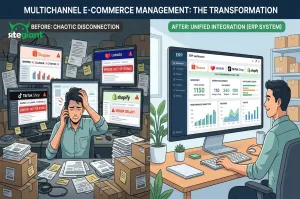
This becomes even more challenging for sellers operating across multiple platforms such as Shopee, Lazada, TikTok Shop, Zalora, and their own webstore, where manual processes often lead to stock mismatches, duplicate work, and order errors..
The real issue is not just high expenses, but fragmented systems that do not work together.
The most effective solution is a fully integrated system that connects inventory, warehouse operations, orders, and analytics into one ecosystem.
In this guide, we will explore how an integrated ecommerce system like SiteGiant helps Singaporean sellers reduce operational costs through six core solutions.
What Is Ecommerce Operational Cost?
What Is Ecommerce Operational Cost?

Before we dive in, it’s important to understand where your money is actually going.
Ecommerce operational costs refer to the day-to-day expenses required to keep your online business running efficiently. These costs typically include:
- Inventory Cost: Product purchasing, inventory holding costs, and unsellable stock.
- Warehouse cost: Picking, packing, labelling, and sorting
- Labor cost: Staff salaries, training, and human errors
- Shipping: Delivery fees, return costs, and penalties caused by shipping mistakes
Why Managing Ecommerce Operational Costs Matter?

If these costs are not properly controlled, business growth can actually increase your losses instead of profits.
As order volume grows, unmanaged operations often lead to:
- Overstocking or overselling
- Higher labour costs from manual processes
- More fulfilment errors
- Increase return and refund expenses
- Poor cash flow caused by dead stock
The Business Impact of Poor Cost Control
High operational costs can reduce profit margins, slow business growth, damage customer satisfaction, and create cash flow pressure.
For growing ecommerce sellers, these inefficiencies often become more costly as order volume increases, making it harder to scale profitably.
This is why businesses must reduce ecommerce operational costs through automation, accurate inventory control, and integrated systems.
How to Identify High Ecommerce Operational Costs?

Many businesses do not realise their operational costs are too high until profits begin shrinking. Common warning signs include:
- Frequent overselling or stock mismatches
- Rising return and refund rates
- Slow order processing times
- Increasing manpower costs without higher output
- Dead stock occupying warehouse space
- Difficulty managing Shopee, Lazada, TikTok Shop, and webstore orders separately
If these issues occur regularly, it may be time to implement an integrated ecommerce system.
Solution for Reducing Ecommerce Operational Costs
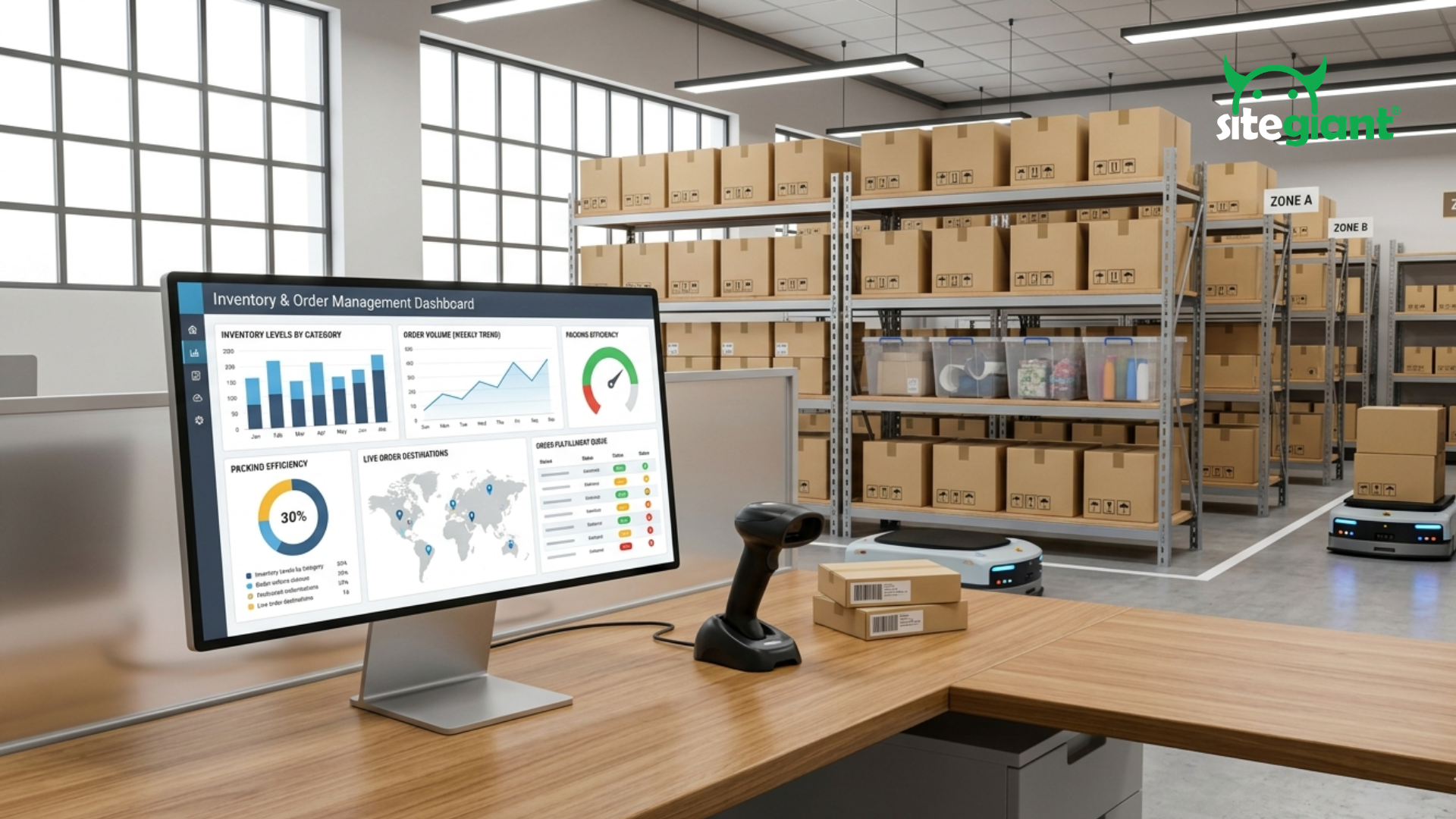
Reducing ecommerce operational costs requires an integrated system that connects inventory, warehouse, order processing, customer management, and business analytics.
SiteGiant provides a complete ecosystem made up of six core systems that work together to eliminate inefficiencies and improve operational performance.
1. Inventory management system
Inventory management helps businesses track stock levels accurately and prevent costly issues such as overstocking and overselling.
With SiteGiant’s inventory system, sellers can:
- Monitor inventory levels in real time and avoid overstocking and overselling
- Set low stock alerts to prevent stockouts and missed sales opportunities
- Synchronize stock across Shopee, Lazada, TikTok Shop, Zalora, and webstore
- Use inventory forecasting to plan purchases more accurately and reduce dead stock
- Reduce inventory holding cost and stock wastage through better stock control
Overall, it improves cash flow, reduces waste, and makes operations more efficient and scalable.
2. Warehouse management system
Warehouse operations often lead to errors and inefficiencies if managed manually.
SiteGiant WMS improves warehouse accuracy through:
- Paperless stock-in process to speed up receiving and reduce paperwork errors
- QR-code labelled warehouse racks improve stock location accuracy
- PDA or mobile barcode scanning for picking enables warehouse staff fulfill orders faster with fewer mistakes
- Wave shipment and sort-and-pick workflows further improve batching efficiency, allowing multiple orders to be processed at once
- System-assigned picking tasks, reducing time cost in distributing picking lists for packing
- QC checks before packing help ensure accuracy and reduce returns, refunds, and reshipment costs.
This reduces picking errors and improves fulfillment speed.
3. Parcel Guard
Customer disputes and refund claims can significantly increase operational losses.
SiteGiant ParcelGuard helps reduce risks by:
- Recording packing process via CCTV as proof of shipment
- Storing packing evidence for dispute resolution
- Sending packing photos by marketplace chat
- Reducing false claims and refund losses
By reducing false claims, chargebacks, and unnecessary refund approvals, ParcelGuard helps sellers protect revenue, lower operational losses, and improve overall fulfillment accountability.
4. Product management system
Managing product listings manually across multiple platforms is time-consuming and error-prone.
SiteGiant product management system allows sellers to:
- Update product information in one centralized system
- Sync listings across all sales channels
- Reduce manpower workload and listing errors
As a result, sellers save time, reduce operational overhead, and improve overall listing accuracy and efficiency across all channels.
5. Order management system
Handling orders from multiple platforms separately increases operational complexity.
SiteGiant OMS enables sellers to:
- Process orders from Shopee, Lazada, TikTok Shop, Zalora, and webstore in one dashboard
- Automate order processing from checkout to fulfillment, reducing manual intervention and speeding up processing time.
- Reduce manual order handling errors
Overall, it improves operational efficiency, reduces manpower dependency, and lowers fulfillment-related costs.
6. Analytics & reporting
Without proper data, businesses often make decisions based on guesswork.
SiteGiant analytics & reporting system provides:
- Dead stock analysis
- Best-selling product identification
- Sales performance tracking across all channels
- Data-driven insights to analyze product performance, identify dead stock, and track sales across all channels.
Sellers can clearly see what drives profit and what drains resources. These data-driven insights help optimize inventory planning, reduce waste, and improve overall operational efficiency and profitability.
Frequently Asked Questions (FAQ)
What is the highest operational cost in eCommerce?
Inventory, warehouse operations, and human errors are usually the highest costs in eCommerce.
How can I reduce eCommerce operational costs?
You can reduce costs by automating operations and using an integrated system like ERP, and WMS.
What are the hidden costs in eCommerce operations?
Hidden costs include return fees, overselling penalties, dead stock, and manual workload.
What is "Parcel Guard" and do I need it?
ParcelGuard provides packing proof to reduce disputes, refunds, and false claims.
Is automation worth it for small eCommerce businesses?
Yes, automation helps small businesses save time, reduce errors, and scale faster.
What tools help reduce eCommerce operational costs?
ERP, WMS, Inventory management system, order management system, analytics and reporting tools, all help reduce operational costs.
Conclusion
Reducing eCommerce operational costs is not simply about cutting expenses or lowering service quality. Instead, it is about building a smarter, automated, and fully integrated ecommerce ecosystem that improves efficiency and eliminates unnecessary operational losses. One of the most effective ways to lower operational costs in eCommerce is by replacing fragmented workflows with a centralized system.
For Singaporean eCommerce sellers operating across Shopee, Lazada, TikTok Shop, Zalora, and webstores, one of the biggest challenges is managing disconnected systems, manual workflows, and inconsistent inventory updates. These inefficiencies often lead to overselling, delayed fulfilment, and increased operational costs, making it difficult for businesses to effectively reduce ecommerce operational costs at scale.
This is where SiteGiant plays a crucial role in transforming ecommerce operations and helping businesses achieve greater operational efficiency through automation and system integration.
SiteGiant provides a complete ecosystem that integrates Webstore, ERP, WMS, POS, OMO, Analytics & Reporting, and ParcelGuard, enabling sellers to centralise their entire business operations in one platform.