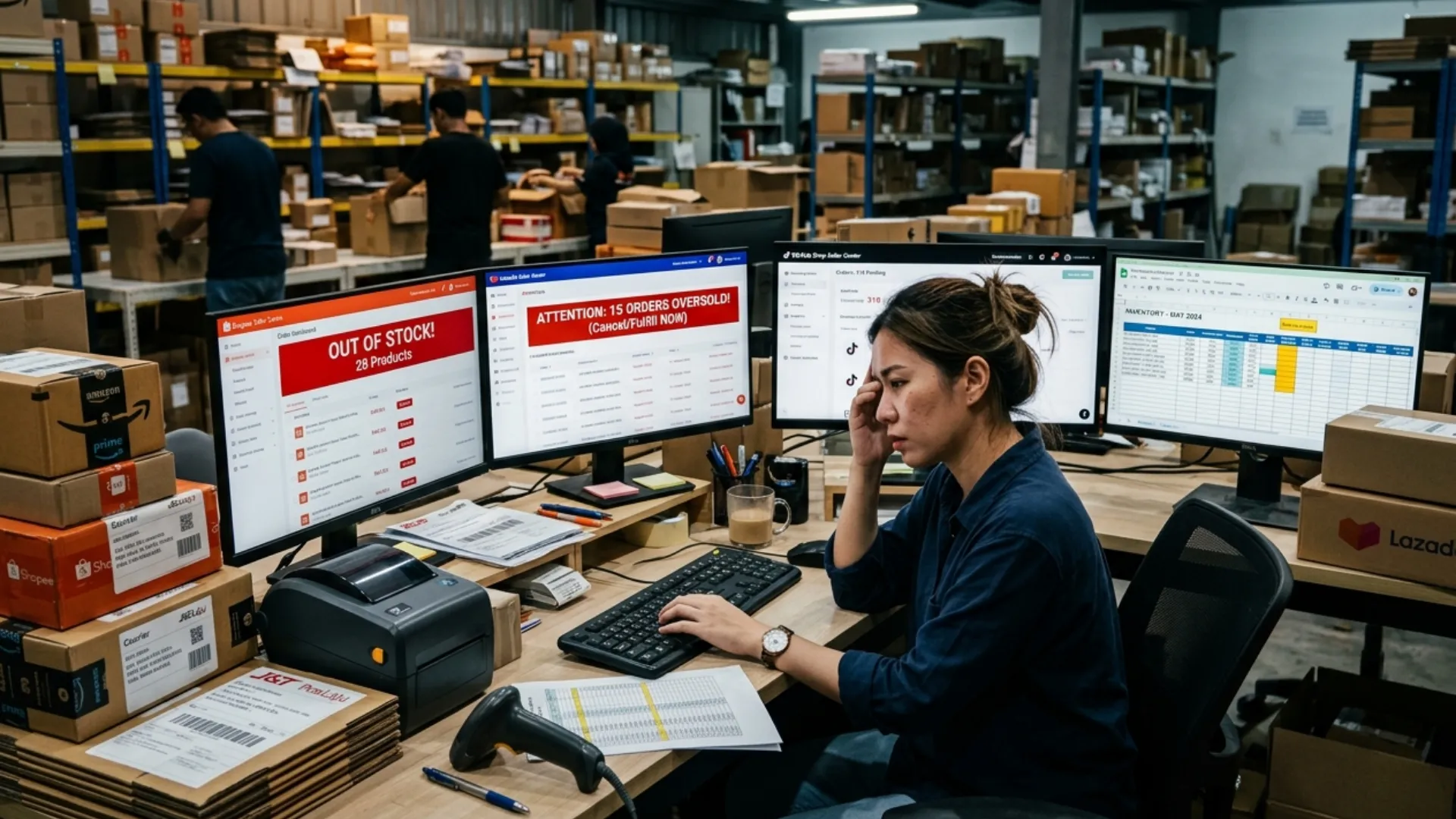
Managing inventory is one of the most important parts of running a successful e-commerce business. However, many Singapore sellers are still losing profit due to poor inventory level management without realizing it. As competition grows across Shopee, Lazada, and TikTok Shop, proper stock control becomes essential for maintaining smooth operations and customer satisfaction.
Some of the most common inventory challenges faced by e-commerce sellers include:
- Overselling products across multiple platforms due to delayed stock updates
- Overstocking slow-moving items that increase storage costs and lock up cash flow
- Manual inventory tracking errors caused by spreadsheets or disconnected systems
- Lack of real-time stock visibility across sales channels
- Difficulty handling sudden spikes in demand during campaigns like 11.11 and 12.12
Proper understanding of inventory levels helps sellers maintain healthier stock balance, reduce operational errors, and improve fulfillment efficiency. With better inventory management, businesses can improve profitability and create smoother operations across multiple sales channels.
What Are Inventory Levels?
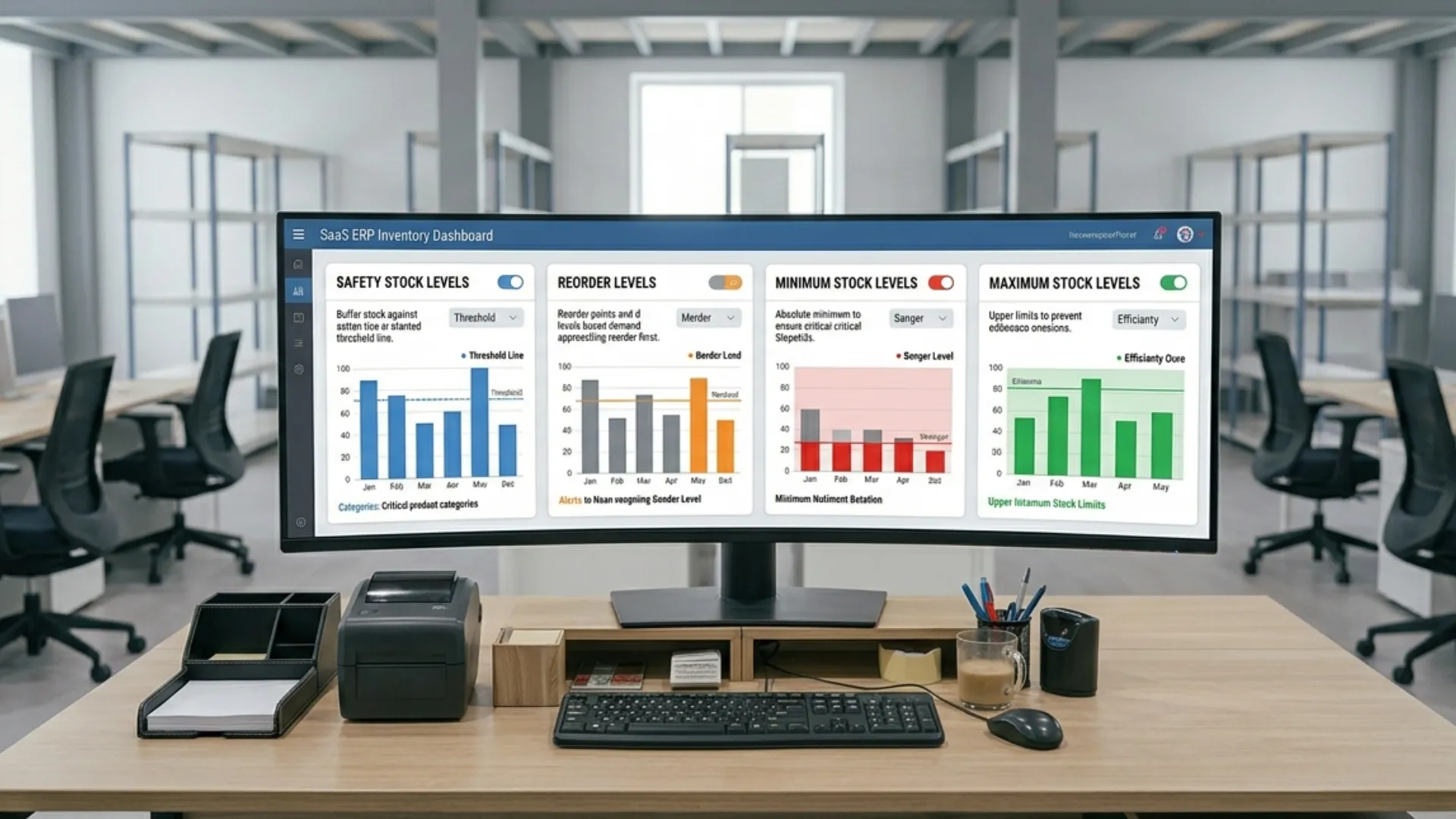
Inventory levels refer to the quantity of stock a business has available at a specific point in time. It helps businesses understand how much inventory is currently available, how quickly products are moving, and when restocking is needed to avoid stock shortages or overstock situations. For e-commerce sellers, inventory levels play an important role in maintaining smooth operations across multiple sales channels such as Shopee, Lazada, TikTok Shop, and websites.
Some of the core types of inventory levels include:
- Safety stock – Extra buffer stock kept for unexpected demand spikes or supplier delays
- Reorder level – The stock quantity that signals when new inventory should be reordered
- Maximum stock level – The highest amount of inventory a business should store to avoid overstocking
- Minimum stock level – The critical stock threshold that should always be maintained before inventory runs too low
Understanding these inventory levels helps businesses make better purchasing decisions, improve stock planning, and maintain a healthier inventory balance for daily operations.
Why Inventory Levels Matter?
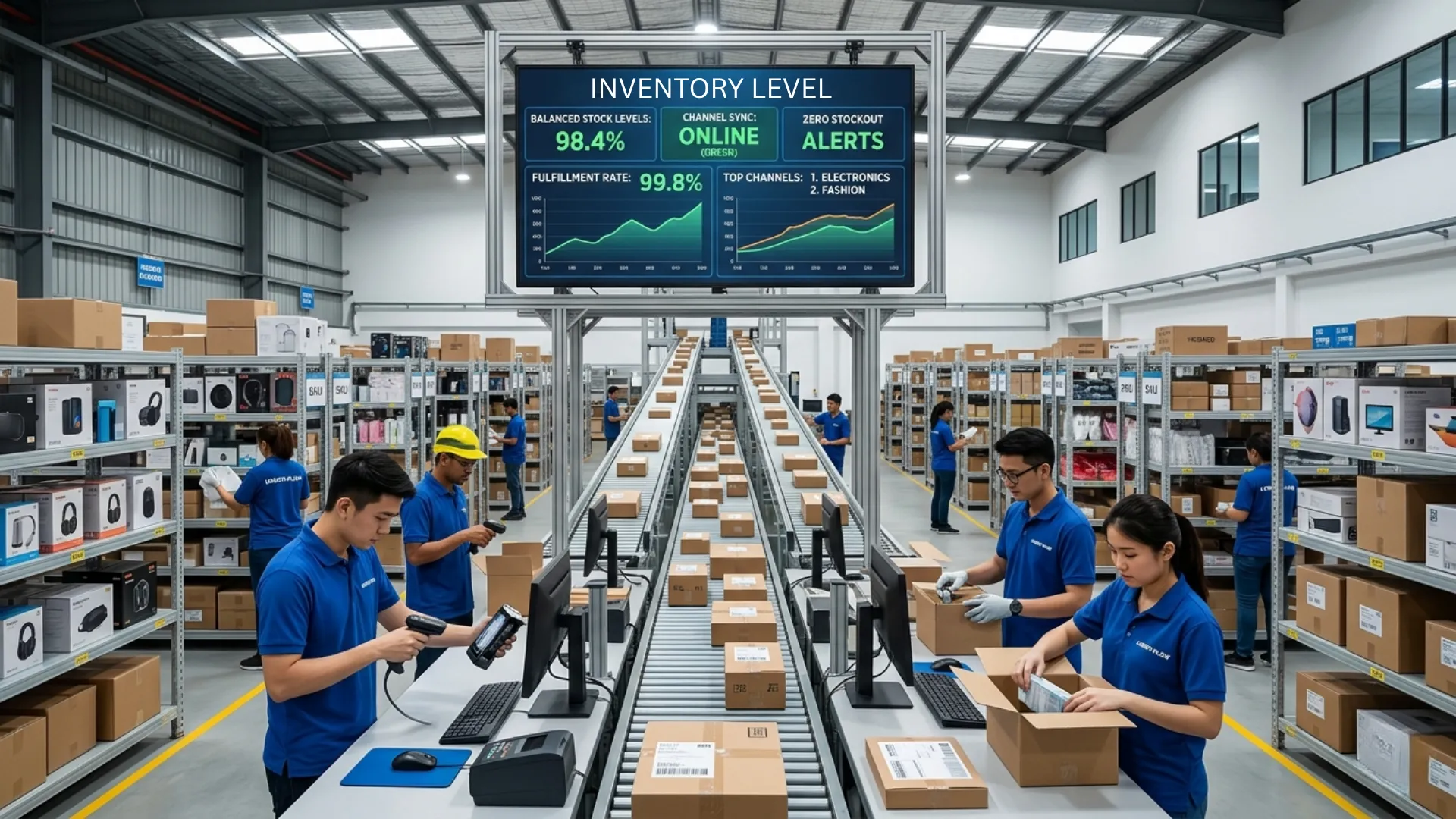
Proper inventory management is important for maintaining smooth e-commerce operations and supporting business growth. When inventory levels are properly controlled, businesses can reduce operational issues, improve fulfillment efficiency, and create a better customer experience across multiple sales channels.
1. Prevent stockouts that lead to lost sales
Stockouts happen when products run out before new inventory arrives. This can cause businesses to lose potential sales, especially for fast-moving products during peak sales periods. Customers may also become frustrated when products are unavailable and choose to purchase from competitors instead.
2. Avoid overstock that increases storage cost
Overstocking happens when businesses keep more inventory than necessary. Excess stock takes up warehouse space, increases storage costs, and may eventually become slow-moving or dead stock. This also affects cash flow because too much capital is tied up in unsold inventory.
3. Improve customer satisfaction through faster fulfillment
Accurate inventory levels help warehouse teams process orders more efficiently. When stock information is updated correctly, businesses can reduce fulfillment delays, minimize picking errors, and ensure customers receive the correct products faster.
4. Maintain healthy cash flow
Proper inventory balance allows businesses to spend more wisely on purchasing and restocking. Instead of overbuying products that may not sell quickly, sellers can focus on maintaining healthier stock levels that support stable cash flow and better financial planning.
5. Support multichannel selling across platforms
Many e-commerce sellers operate across Shopee, Lazada, TikTok Shop, and webstore at the same time. Without proper inventory management, stock quantities can become inconsistent between platforms, increasing the risk of overselling and fulfillment issues.
By maintaining optimized inventory levels, businesses can improve operational efficiency, reduce unnecessary costs, and build a more scalable e-commerce operation for long-term growth.
Common Inventory Problems Faced by Singapore Sellers
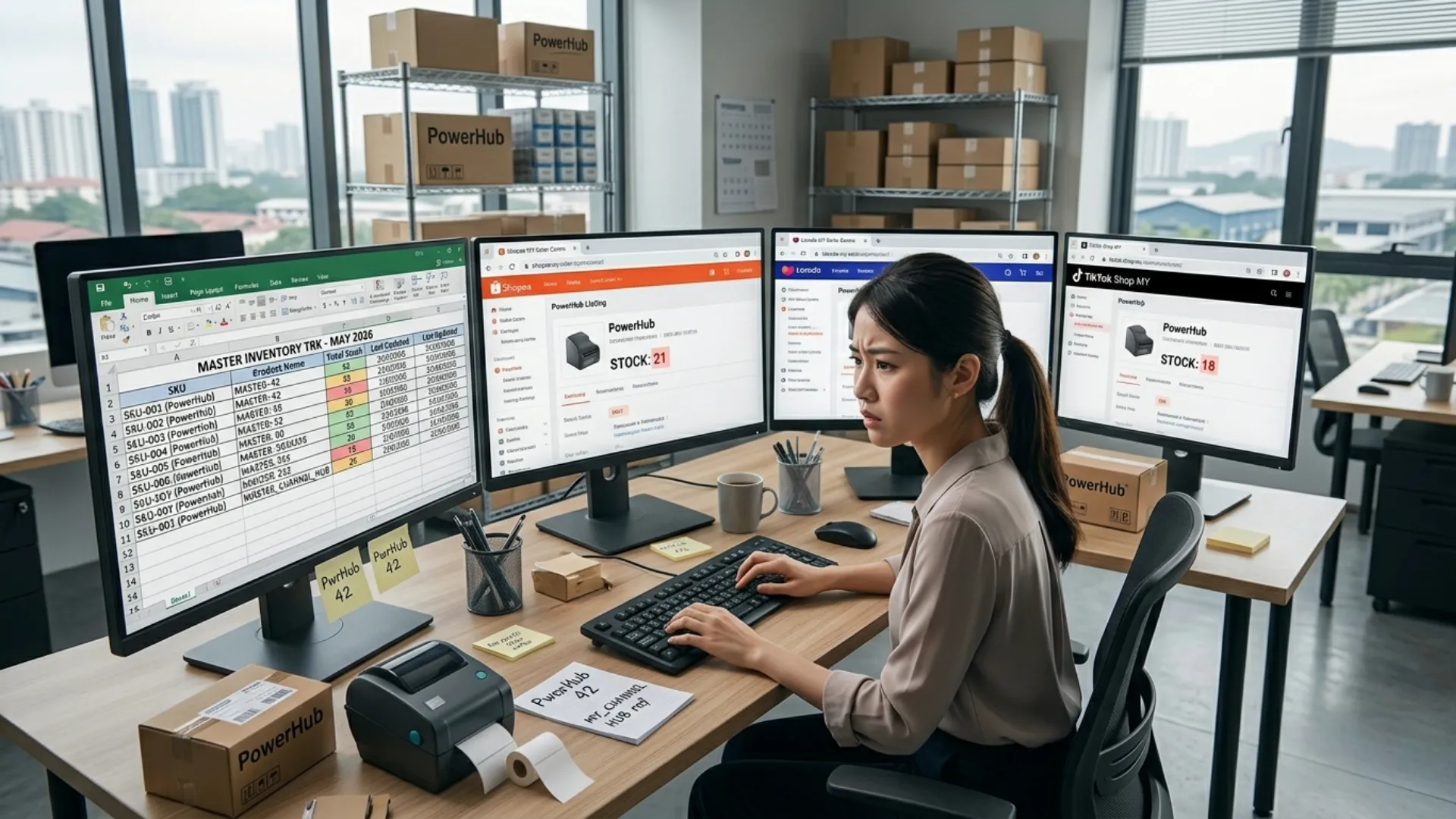
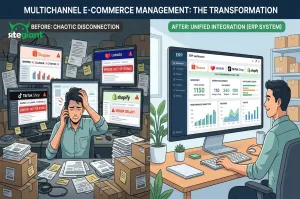
As businesses expand across multiple e-commerce platforms, inventory management becomes more challenging and difficult to manage manually. Many Singapore sellers still face inventory issues that affect stock accuracy, fulfillment efficiency, and overall business operations.
- Manual Excel tracking – Can easily lead to human errors, forgotten updates, and inaccurate stock counts.
- Delayed stock updates between platforms – Increases the risk of overselling due to inconsistent inventory quantities across channels.
- No centralized inventory system – Make stock monitoring more complicated and time-consuming for sellers.
- Poor forecasting of demand – May result in stock shortages or excessive overstocking during different sales periods.
- Warehouse picking mistakes and misplacement of stock – Affects fulfillment accuracy and slows down warehouse operations.
- Restock based on own feeling, not sales data – Can lead to unhealthy inventory balance and poor purchasing decisions.
How to Optimize Inventory Levels?
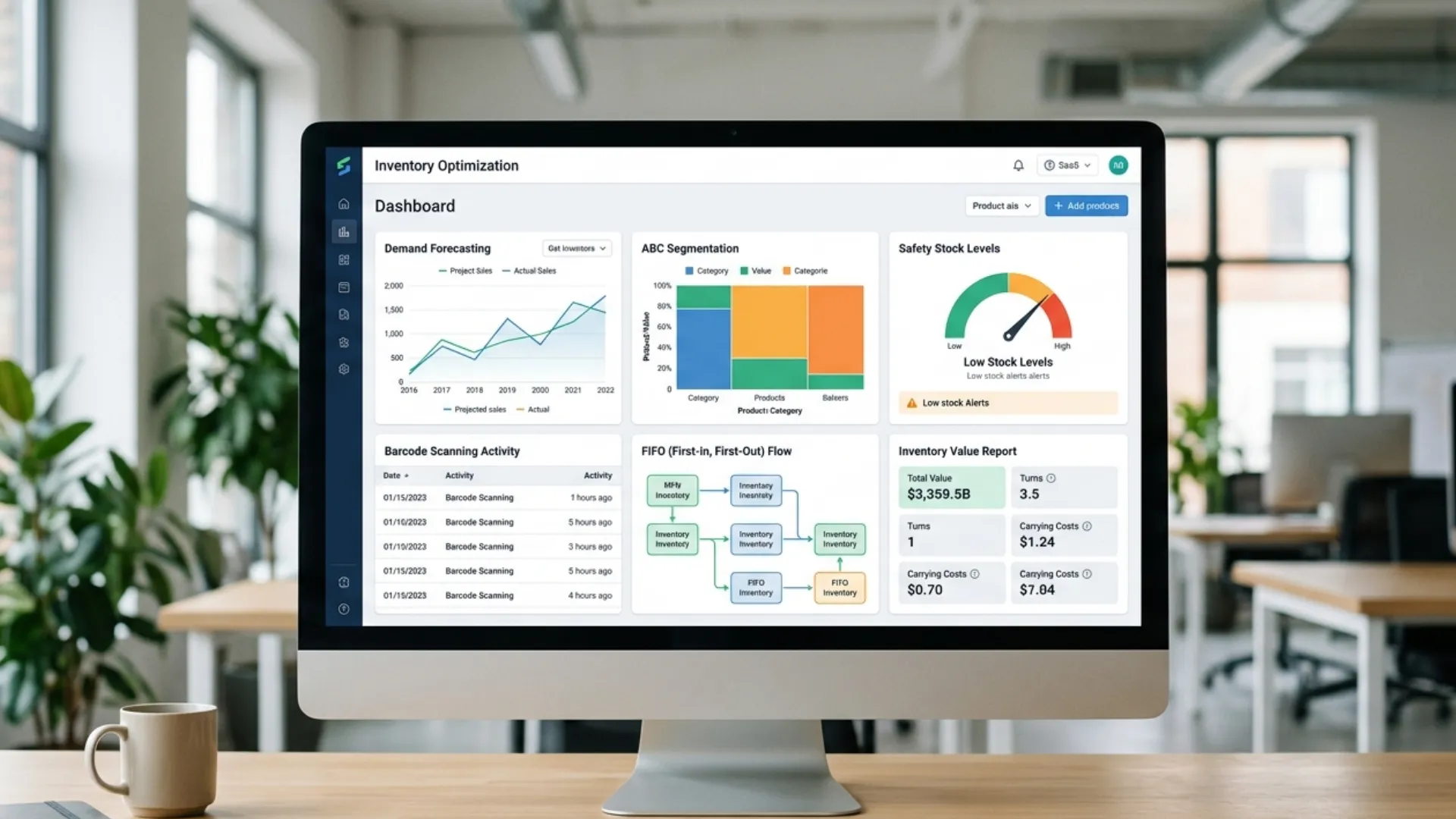
Optimizing inventory levels helps businesses maintain healthier stock balance, improve operational efficiency, and reduce unnecessary inventory issues. With the right inventory management strategies, e-commerce sellers can improve fulfillment accuracy and support long-term business growth.
- Use historical sales trends and demand forecasting – Analyzing past sales performance helps businesses predict future demand more accurately and prepare inventory levels accordingly.
- Segment products using ABC analysis – Categorizing products into fast-moving and slow-moving items helps sellers prioritize stock management and restocking decisions more effectively.
- Maintain safety stock during peak seasons – Keeping buffer stock helps businesses handle sudden increases in order volume during campaigns like 11.11 and 12.12.
- Automate inventory updates and increase stock visibility – Real-time inventory synchronization across multiple sales channels and warehouses helps reduce overselling risks and improve stock monitoring.
- Implement barcode scanning for stock movement – Barcode scanning improves stock accuracy and reduces manual errors during stock in, stock out, and warehouse operations.
- Use stock value reporting and dead stock analysis – Monitoring inventory value and slow-moving products helps businesses improve purchasing decisions and reduce unnecessary storage costs.
- Implement First In First Out (FIFO) – FIFO ensures older inventory is sold first to reduce aging stock and minimize product wastage.
Benefits of Optimized Inventory Levels
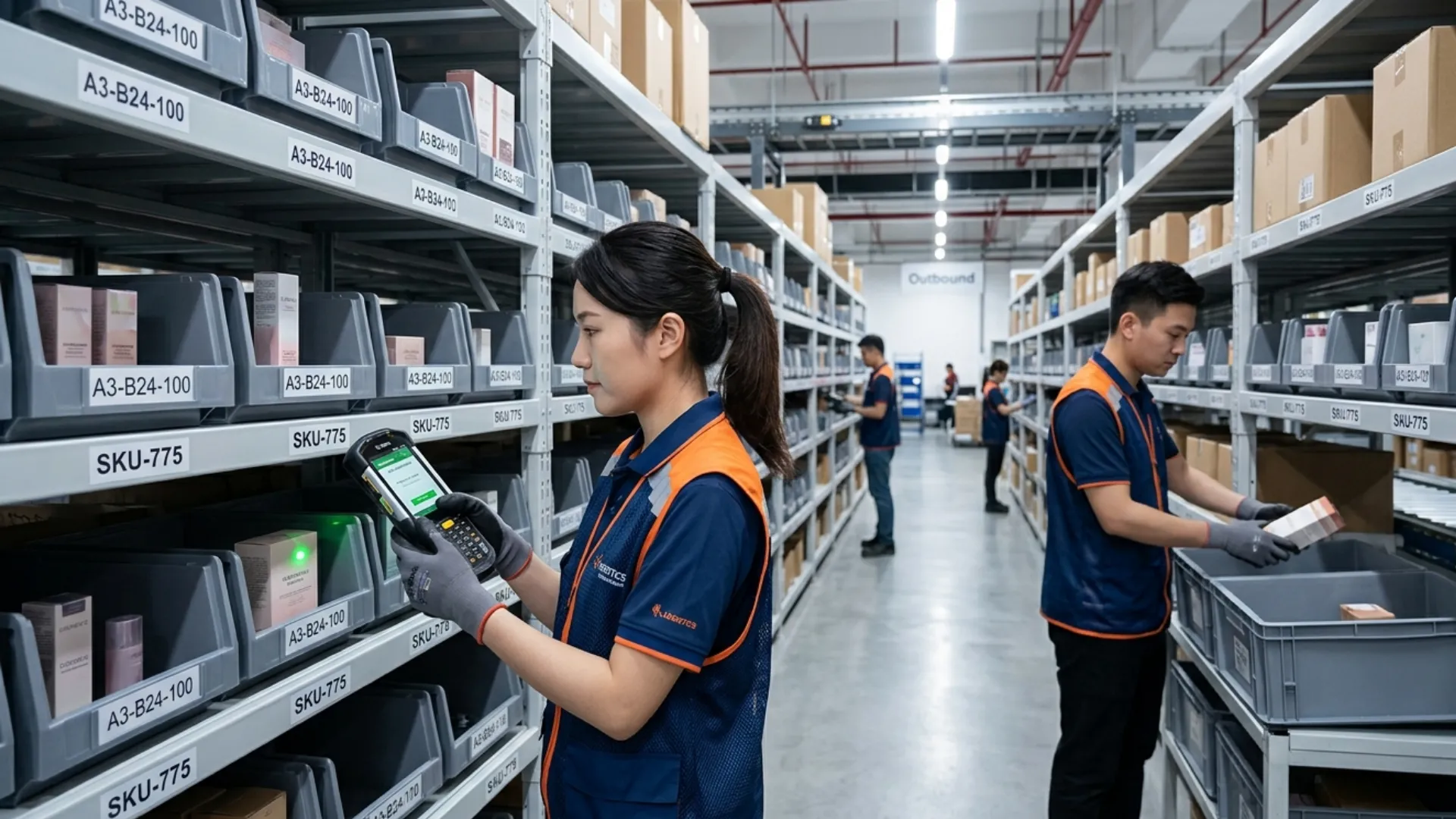
Maintaining optimized inventory levels helps businesses improve operational efficiency, reduce unnecessary stock issues, and create smoother fulfillment processes. It also supports better customer experience and long-term business growth.
- Reduce order cancellation rates – Proper stock management helps prevent out-of-stock situations that often lead to canceled orders and lost sales opportunities.
- Improve seller ratings and platform performance – Better fulfillment accuracy and stock availability can help sellers maintain stronger ratings on Shopee, Lazada, and TikTok Shop.
- Increase customer trust – Customers are more likely to return when products are consistently available and orders are fulfilled accurately.
- Minimize dead stock and aging inventory – Better inventory planning helps businesses reduce slow-moving products and unnecessary storage costs.
- Improve cash flow management – Maintaining healthier stock balance prevents excessive spending on overstocked products and improves financial control.
- Support business scalability – Optimized inventory processes make it easier for businesses to manage higher order volumes and expand across multiple sales channels.
Frequently Asked Questions (FAQ)
What are inventory levels in e-commerce?
Inventory levels refer to the amount of stock a business currently has available for sale or storage. In e-commerce, inventory levels help sellers monitor stock availability, manage replenishment, and ensure smooth order fulfillment across multiple platforms.
Why are inventory levels important for online sellers?
Proper inventory levels help prevent stockouts, overselling, and excessive overstocking. They also improve fulfillment efficiency, customer satisfaction, and overall operational performance for e-commerce businesses.
What happens if inventory levels are not managed properly?
Poor inventory management can lead to order cancellations, delayed shipments, warehouse inefficiencies, dead stock accumulation, and reduced cash flow. It may also negatively affect seller ratings on platforms like Shopee, Lazada, and TikTok Shop.
How does real-time inventory synchronization help e-commerce sellers?
Real-time inventory synchronization automatically updates stock quantities across all connected sales channels. This reduces overselling risks and ensures inventory accuracy between platforms.
Conclusion
Optimizing inventory levels is one of the most important foundations for running a successful e-commerce business in Singapore. Without proper inventory control, sellers are more likely to face issues such as stockouts, overselling, and unnecessary overstocking, all of which directly affect sales performance and customer satisfaction. As competition increases across platforms like Shopee, Lazada, and TikTok Shop, having accurate and well-managed inventory is no longer optional—it is essential for sustainable growth.
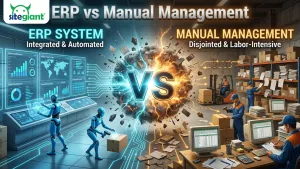
To solve these challenges, businesses need a more structured and automated approach to inventory management. This is where SiteGiant helps e-commerce sellers simplify their daily operations. It provides a centralized system that allows sellers to manage products, orders, and inventory in one place. With real-time updates, sellers can ensure that stock levels are always accurate across all connected sales channels.
SiteGiant helps ecommerce businesses take better control of inventory with stronger stock visibility across multiple warehouses, barcode scanning for both stock in and stock out, accurate stock value reporting, dead stock analysis, and FIFO (First In, First Out) management. With these capabilities, sellers can reduce human error, improve inventory accuracy, and make smarter stock decisions that support healthier growth.