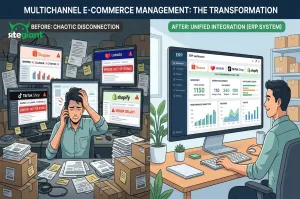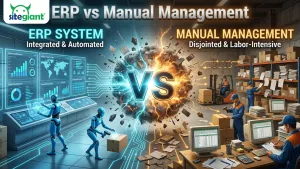
Many businesses don’t realize they are losing money every day because of unsold inventory is quietly sitting in their warehouse, tying up cash and limiting growth opportunities. Dead stock not only occupies valuable storage space but also slows down inventory turnover, increases operational costs, and can negatively impact a company’s ability to respond to market trends. Without proper tracking and management, businesses may continue to invest in products that never sell, ultimately reducing profitability and hindering growth potential.
Challenges businesses often face include:
- Excess inventory takes up valuable storage space, limiting room for new products.
- Difficulty predicting actual customer demand can lead to over-purchasing or missed opportunities.
- Seasonal or trend-based products may become obsolete before they are sold.
- Increased operational and warehousing costs strain overall business efficiency and profitability.
By understanding what dead stock is and learning how to tackle it, you can make smarter inventory decisions, optimize cash flow, and improve overall business performance. In this article, you will explore practical strategies to reduce existing dead stock, implement measures to prevent future accumulation.
What is Dead Stock ?

Dead stock refers to inventory that has not been sold for a long period of time and is unlikely to be sold in the future. These products typically have little to no demand in the current market, making them difficult to move through regular sales channels.
Dead stock often results from over-purchasing, inaccurate demand forecasting, or sudden changes in customer preferences, trends, or seasonal demands. These unsold items remain in storage for extended periods, tying up valuable capital that could otherwise be invested in new, high-demand products, while simultaneously increasing operational costs such as warehousing, handling, and maintenance. The presence of dead stock not only reduces a business’s financial flexibility but also limits opportunities to optimize inventory, respond to market changes, and maintain a streamlined, efficient supply chain.
Why Dead Stock Happens?

Dead stock usually occurs due to a combination of operational, marketing, and demand-related factors. Knowing the causes allows businesses to prevent future accumulation.
- Poor demand forecasting: This can result in ordering more products than actually needed, leading to excess inventory that is difficult to sell.
- Overbuying due to bulk purchasing: Businesses may purchase large quantities to enjoy discounts or meet supplier requirements, which increases the risk of unsold stock.
- Seasonal and trend changes: Products may become irrelevant after peak seasons, while rapidly changing trends or customer preferences can quickly make certain items obsolete.
- Ineffective marketing and pricing strategies: Lack of product visibility or pricing that does not match market expectations can reduce demand and cause inventory to remain unsold.
Identifying the reasons behind dead stock helps businesses make better purchasing and marketing decisions. Taking preventive measures can significantly reduce future dead stock risks.
Impact of Dead Stock on Business
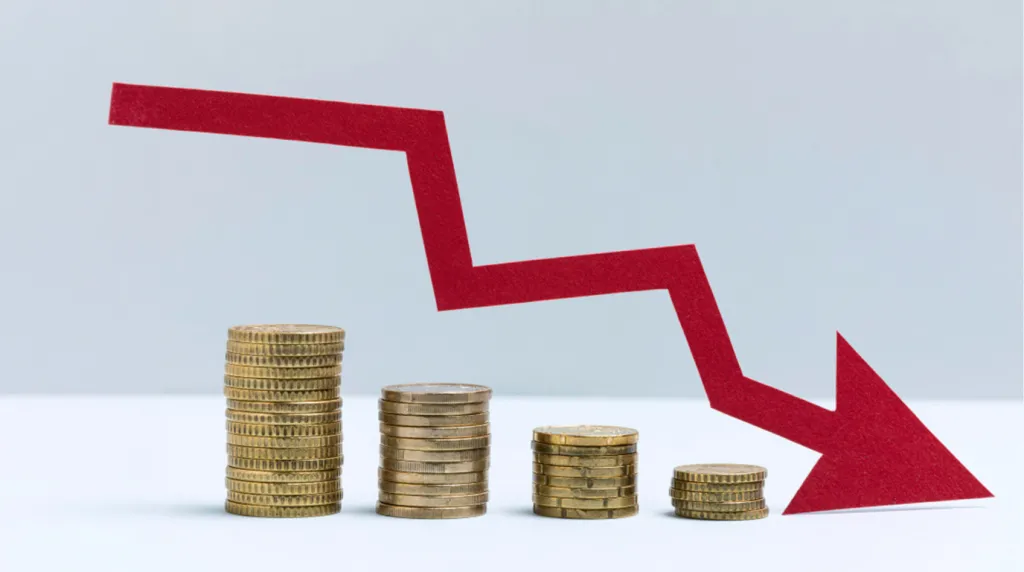
Dead stock affects multiple aspects of a business, not only straining financial health by locking up capital in unsold products, but also hindering overall operational efficiency by occupying valuable warehouse space, creating management challenges, and reducing the company’s ability to respond quickly to changing market demands.
- Reduced cash flow: Dead stock ties up a substantial amount of capital in unsold products, limiting the company’s ability to invest in new inventory or other growth opportunities.
- Increased storage and warehousing costs: Unsold inventory occupies valuable space that could otherwise be used for fast-moving products, leading to higher operational expenses and reduced efficiency.
- Lost investment opportunities: Resources are locked in inventory that generates no return, preventing businesses from reinvesting in more profitable or high-demand products.
- Negative brand perception: Outdated or obsolete products remaining visible to customers may create an impression of poor quality, lack of innovation, or ineffective inventory management.
Understanding the impact of dead stock emphasizes why timely action is essential. Reducing dead stock can free up resources and improve overall business performance.
Identify Dead Stock with SiteGiant Analytics & Reporting Features

Using tools like SiteGiant’s Analytics & Reporting can help businesses quickly identify dead stock and take action to reduce it.
- SiteGiant’s Analytics & Reporting provides detailed insights into inventory and sales across all channels.
- The Dead Stock Report allows businesses to quickly detect unsold or slow-moving products.
- These reports provide actionable data that can be used to plan promotions, clearance sales, or bundling strategies.
- Businesses can monitor inventory , track SKU performance, and identify underperforming items in real time.
- Centralized reports help businesses reduce dead stock, optimize inventory management, and make data-driven decisions that improve overall operational efficiency.
Using SiteGiant’s analytics tools gives businesses clear visibility into their inventory and allows them to act proactively on dead stock. This improves decision-making and helps maintain optimal inventory levels.
How to Overcome Dead Stock ?

Businesses can use a combination of strategies to clear dead stock and recover value from unsold items.
- Discounts and clearance sales: Businesses can offer promotions or clearance deals to move dead stock faster while attracting more customers.
- Product bundling: Bundling dead stock with popular items can increase sales potential and make slower-moving products more appealing to customers.
- Optimized product listings: Improving product images, descriptions, and strategic positioning can attract more attention and improve conversion rates.
- Alternative sales channels: Selling through marketplaces, wholesale buyers, or other platforms can help reach new audiences and increase sales opportunities.
- Liquidation strategies: Businesses can recover part of their investment by selling dead stock to specialized buyers or at discounted bulk rates.
- Write-offs or donations: Donating or writing off unsold inventory can be used as a last resort to free up storage space and reduce operational costs.
Applying a mix of sales, marketing, and strategic actions can help businesses reduce dead stock efficiently. These steps also free up resources for products with higher demand and profitability.
How to Prevent Dead Stock in the Future ?
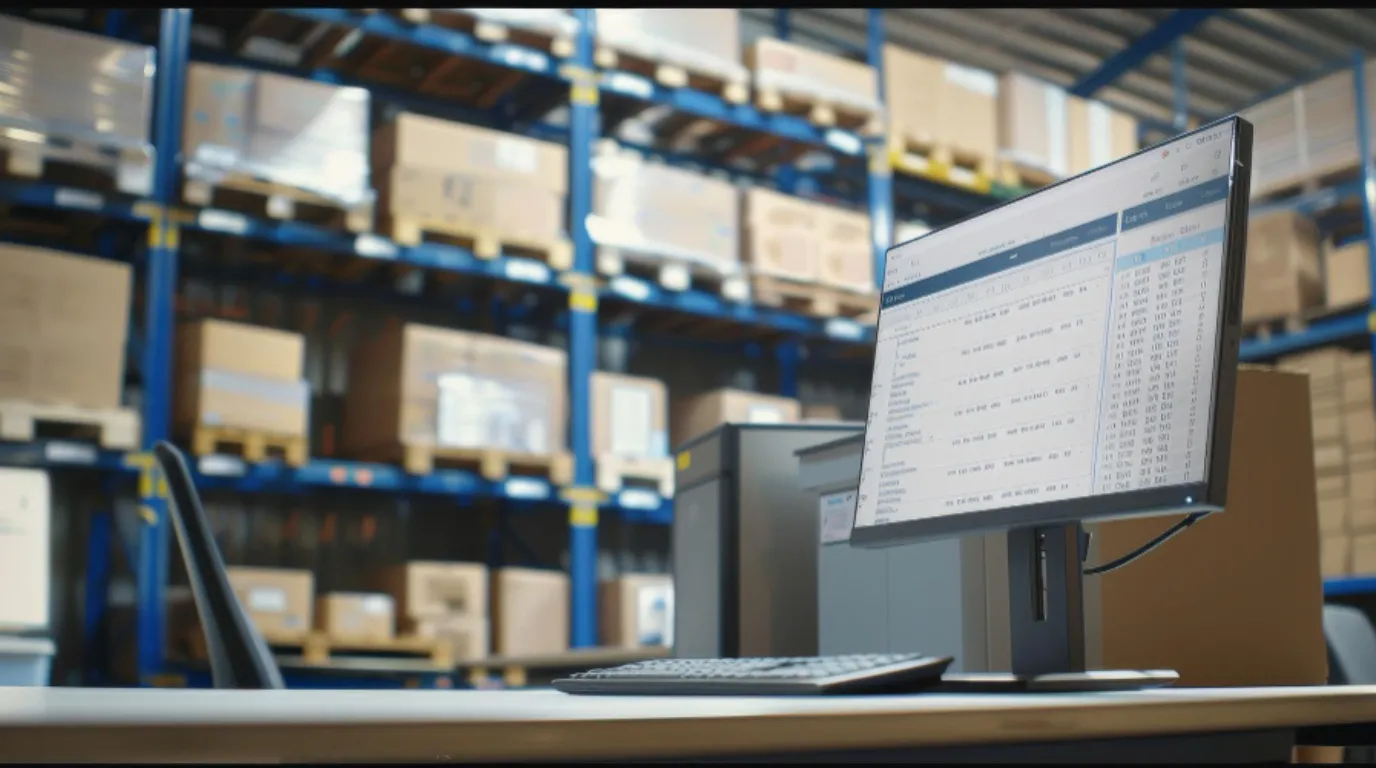
Preventing dead stock requires proactive planning, monitoring, and smart inventory management.
- Start with smaller order quantities: Businesses should begin with lower inventory levels and scale based on actual demand to reduce the risk of overstocking.
- Regular inventory monitoring: Tracking inventory performance consistently allows businesses to detect slow-moving items early and take corrective action before they become dead stock.
- Pricing strategies: Adjusting pricing based on market conditions can help maintain sales velocity and improve product turnover.
- Diversified sales channels: Expanding across multiple platforms reduces dependency on a single channel and lowers the risk of unsold inventory.
- Inventory management system implementation: Using a robust inventory management system provides better tracking, control, and forecasting, helping businesses maintain optimal stock levels and maximize profitability.
Proactive monitoring and strategic inventory decisions are essential for avoiding future dead stock. This approach ensures inventory remains efficient and aligned with market demand.
Frequently Asked Questions (FAQ)
What is considered dead stock?
Dead stock is inventory that has not been sold for an extended period of time and is unlikely to be sold under normal conditions.It usually includes products with little to no demand in the current market.
How long before inventory becomes dead stock?
Inventory is typically considered dead stock if it has not sold for 3 to 6 months, depending on the industry.For seasonal businesses, this timeframe may be shorter after the peak season ends.
What is the difference between dead stock and slow-moving stock?
Slow-moving stock refers to products that are still selling but at a very low rate. Dead stock refers to products that have stopped selling completely or have extremely low chances of being sold.
How do you reduce dead stock quickly?
Businesses can reduce dead stock quickly by offering clearance sales or heavy discounts. Selling through marketplaces or bulk buyers can also help clear inventory faster.
Conclusion
Dead stock is more than just unsold inventory—it directly impacts cash flow, consumes valuable storage space, and limits a business’s ability to grow and adapt. As discussed, businesses can reduce dead stock through strategies such as clearance sales, discounts, bundling, targeted marketing campaigns, and selling to bulk buyers. However, the most effective approach lies in prevention—through accurate demand forecasting, consistent inventory monitoring, and smarter purchasing decisions.
This is where SiteGiant plays a crucial role in supporting better inventory management. SiteGiant’s Inventory Management system unifies stock updates across multiple sales channels, including Shopee, Lazada, TikTok Shop, and webstores, ensuring real-time synchronization and preventing overselling. With features like bulk inventory linking, campaign reserved stock, and inventory forecasting, businesses can easily track performance and respond quickly to slow-moving items.
In addition, SiteGiant’s Analytics & Reporting tools provide comprehensive insights into inventory and sales performance. Features such as the Dead Stock Report enable businesses to identify underperforming products, analyze trends, and make data-driven decisions to optimize stock levels, plan effective promotions, and reduce potential losses.
By combining proactive inventory strategies with SiteGiant’s powerful tools, businesses can take full control of their stock, minimize losses from dead inventory, and maintain efficient, scalable operations. Ultimately, this leads to stronger cash flow, improved profitability, and sustainable long-term growth.